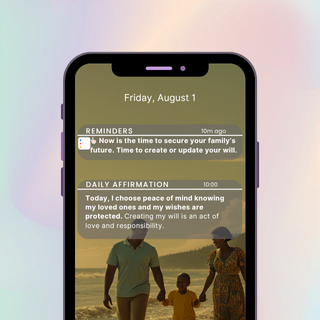
August is Make-A-Will Month — a national awareness campaign encouraging Americans to put a basic estate plan in place. The timing is strategic: summer offers a natural pause before the busy fall season, and the stakes of inaction are high. More than half of American adults do not have a will.
Why a Will Is Just the Starting Point
A will directs how your assets are distributed at death. But a complete estate plan includes more than a will — it includes documents that protect you and your family during your lifetime, not just after.
- Power of Attorney (POA): Authorizes someone to manage your finances if you become incapacitated.
- Healthcare Power of Attorney: Designates someone to make medical decisions on your behalf.
- Advance Directive / Living Will: Documents your wishes for end-of-life care.
- Beneficiary Designations: Control who inherits your retirement accounts, life insurance, and other accounts — regardless of what your will says.
When a Trust Matters More Than a Will
For families with a child who has a disability, a will alone is often insufficient. Leaving assets directly to a person receiving SSI or Medicaid can disqualify them from benefits. A third-party Special Needs Trust allows you to leave assets in a protected structure that supplements — rather than replaces — public benefits.
The OBBBA Impact on Estate Planning
The One Big Beautiful Bill Act raised the federal estate and gift tax exemption to $15 million per individual ($30 million for married couples), indexed for inflation. For most families, this removes immediate estate tax concerns — but the planning still matters for asset protection, disability planning, and legacy coordination.
Make-A-Will Month is a good prompt. A 30-minute conversation with your estate attorney to review or start your documents can prevent years of confusion and conflict for the people you love most.