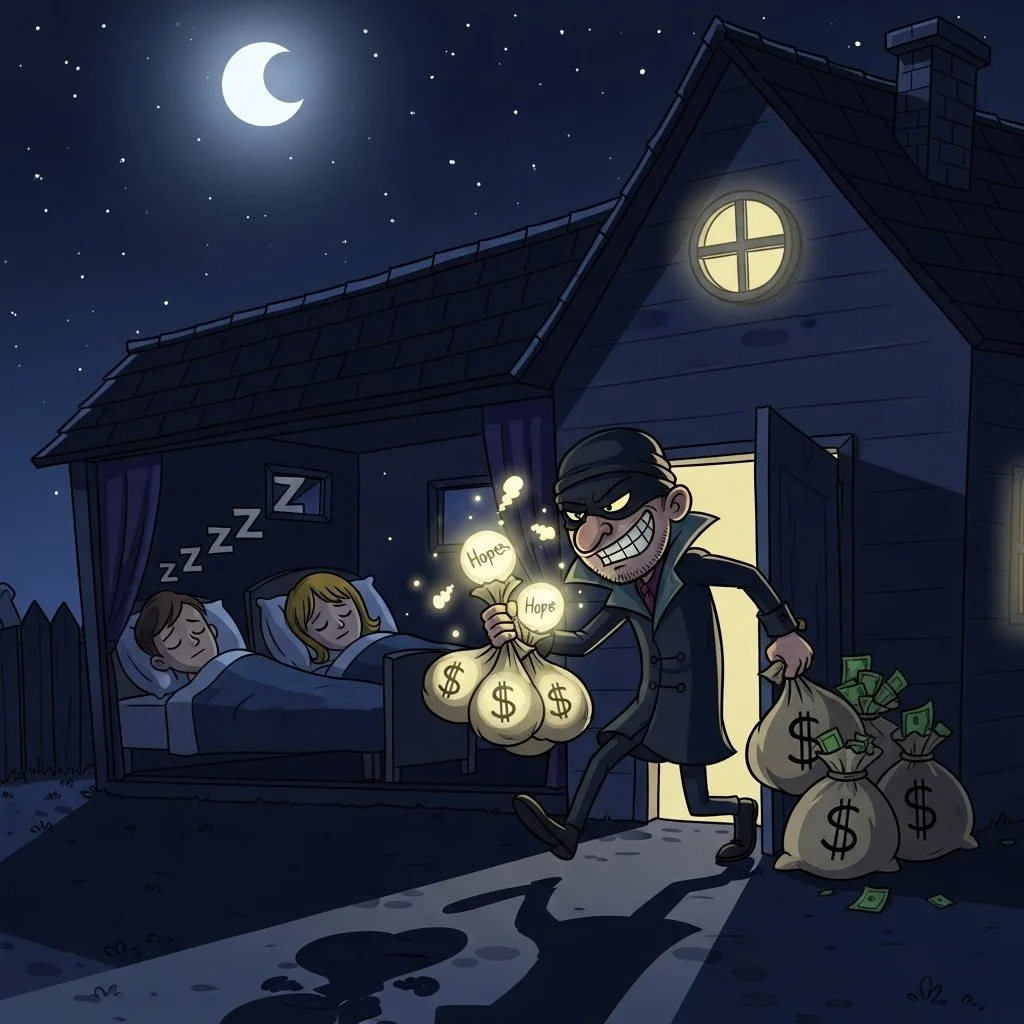
You got the raise. Your income is up. But somehow, you still feel like you have the same amount left over at the end of the month. Welcome to lifestyle creep — the gradual, almost invisible expansion of spending that tends to track alongside income growth.
What Is Lifestyle Creep?
Lifestyle creep occurs when your discretionary spending rises in proportion to — or faster than — your income. The car gets upgraded when the lease expires. The apartment gets bigger. The vacations get more expensive. Each individual decision seems reasonable. Collectively, they quietly consume the raise before it ever reaches savings.
Why It’s So Hard to Detect
Lifestyle creep rarely happens all at once. It tends to arrive as a series of individually defensible decisions: “We’ve been in this apartment for years,” or “I’ve been working hard — I deserve this.” Each choice is justifiable in isolation. The pattern only becomes visible in the aggregate.
The Real Cost
The financial math is straightforward. If you earn $80,000 and save 10%, you save $8,000 per year. If your income rises to $100,000 but your lifestyle expands to match, your savings rate stays flat — and you’ve missed the opportunity to meaningfully accelerate toward financial independence. Over a 10-year period, the difference between lifestyle creep and intentional savings can be hundreds of thousands of dollars in accumulated wealth.
How to Combat It
- Pay yourself first: Before the raise hits your checking account, redirect the increase to savings or retirement contributions automatically. What you don’t see, you don’t spend.
- Set a deliberate savings rate: Decide what percentage of income goes to savings and hold it constant as income rises.
- Annual spending audit: Review your top 10 expenses once a year. Identify what has drifted upward and whether the additional spend is delivering proportional value.
- Distinguish upgrades from defaults: Intentional upgrades — a more reliable car, a home with better school access — are different from passive drift. The goal is consciousness, not deprivation.
For families managing special needs planning, lifestyle creep has an additional dimension: the long-term funding needs of a third-party SNT or care plan require that income growth actually builds wealth, not just a more comfortable baseline. The plan only works if the savings happen.