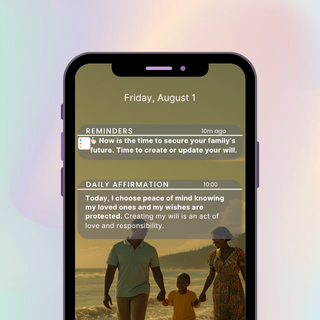
August is Make-A-Will Month, a good reminder that estate planning is not just for the wealthy, the elderly, or the seriously ill. A will is a fundamental document for almost anyone with people they care about, assets they’ve worked for, or wishes they want honored. If you don’t have one, or haven’t revisited yours in years, this is a reasonable time to change that.
What Happens Without a Will?
Dying without a valid will means dying “intestate.” When that happens, state law takes over and determines how your assets are distributed, who cares for your minor children, and who manages your estate. That process rarely goes the way people would have wanted.
Some of the most common consequences include assets going to relatives rather than the people you intended, family disputes over your estate at an already difficult time, a longer and more costly probate process, and a court deciding guardianship for your minor children rather than you.
For families with a loved one who has special needs, the stakes are even higher. Without a will that establishes a special needs trust, an inheritance can inadvertently disqualify that person from SSI, Medicaid, and other government benefits they depend on.
What a Will Can Do
A well-drafted will gives you control over decisions that will otherwise be made by strangers. Specifically, it lets you specify how your assets are distributed, name a guardian for your minor children, appoint an executor to carry out your wishes, establish trusts for specific purposes such as a child’s education or a loved one’s special needs, and take steps to minimize estate taxes and probate costs.
That last item, establishing trusts, is particularly important for special needs families. A properly structured special needs trust inside your estate plan can provide for a loved one’s care for the rest of their life without jeopardizing their access to public benefits.
If life has changed, your will may need to change too. Marriage, divorce, the birth of a child, a new diagnosis, buying property, or significant changes in your financial situation are all reasons to review and update your existing documents.
Getting It Done
Online tools can help with basic documents, but an estate planning attorney is worth the investment, especially if you have minor children, a loved one with special needs, significant assets, or a complex family situation. An attorney can make sure your will holds up legally, reflects your actual wishes, and works alongside other planning tools like powers of attorney, beneficiary designations, and trusts.
At Legs Financial, coordinating that professional support team is part of what we call The Legwork. We work alongside your estate planning attorney and other advisors to make sure everything fits together as a complete plan.