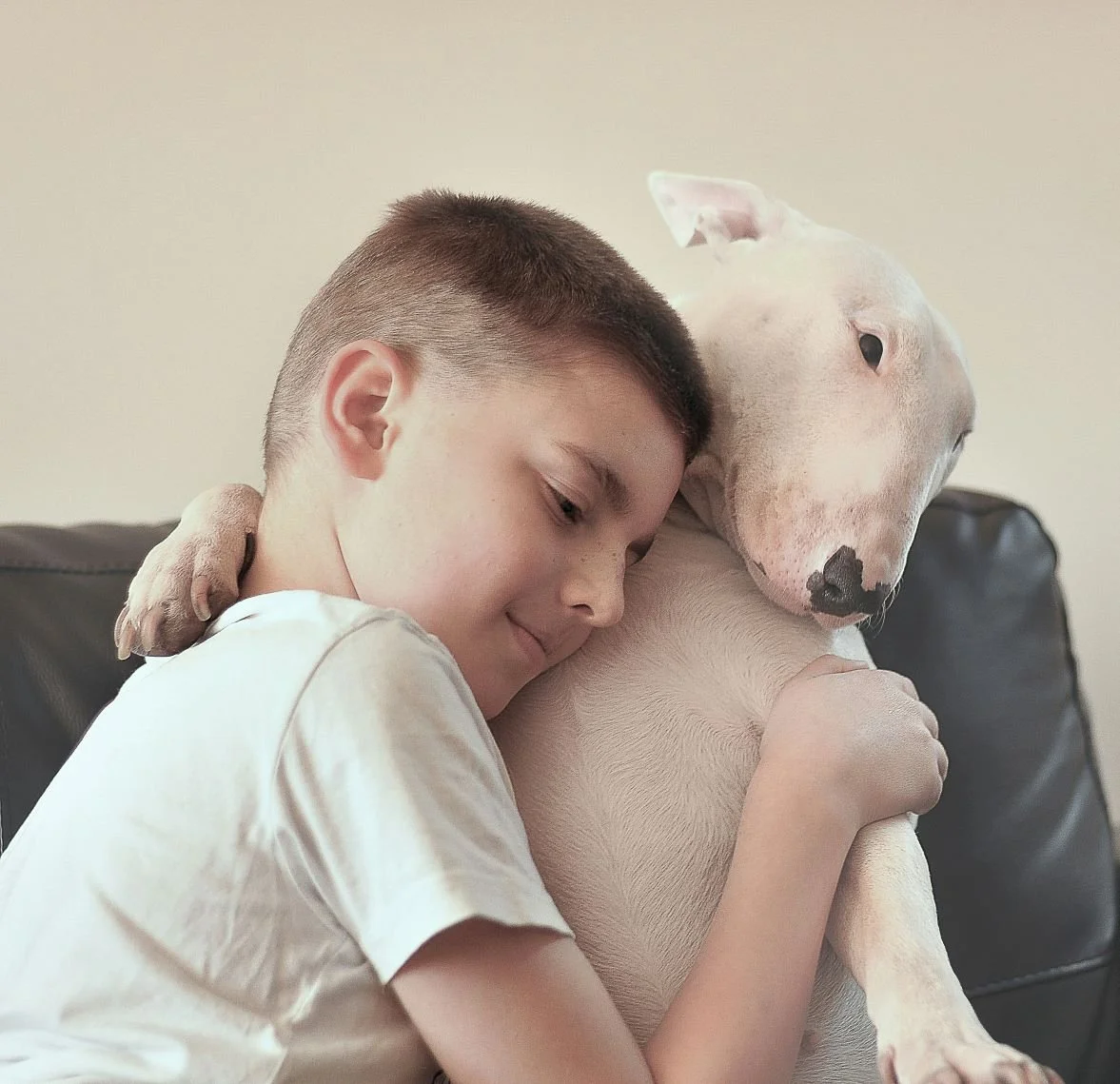
A new film is highlighting what many families already know: service dogs can be transformative for children with autism. The documentary explores the bond between autistic children and their trained service animals, and the profound impact that bond can have on behavior, safety, independence, and family quality of life.
What Service Dogs Do for Children With Autism
Autism service dogs are trained to perform specific tasks that address the functional challenges of autism, including:
- Tethering: The child wears a harness attached to the dog, preventing bolting — one of the most dangerous behaviors associated with autism. Many autism-related deaths involve drowning or traffic accidents following a bolting episode.
- Interrupting self-injurious behavior: Dogs can be trained to nudge, lean on, or otherwise redirect a child engaged in self-harm.
- Reducing meltdowns: The calming presence of a trained dog can reduce the frequency and severity of meltdowns.
- Facilitating social connection: Dogs can serve as a social bridge, helping autistic children engage with peers.
Access and Protections
Under the Americans with Disabilities Act, service animals are permitted in all public accommodations, including schools, restaurants, and stores. A service dog is a working animal, not a pet — and the distinction matters for housing, air travel, and other access situations.
Cost and Funding
Autism service dogs are expensive — typically $15,000–$30,000 for a trained dog from a reputable program. Wait lists are often one to three years. Funding sources can include nonprofit grants, fundraising, and in some cases, Medicaid waiver programs. A Special Needs Trust can also be a legitimate vehicle for funding a service animal if properly structured.
If you’re considering a service dog for your child, document the plan in your Letter of Intent and discuss it with your special needs planner to ensure funding is in place and the SNT language permits this type of expenditure.