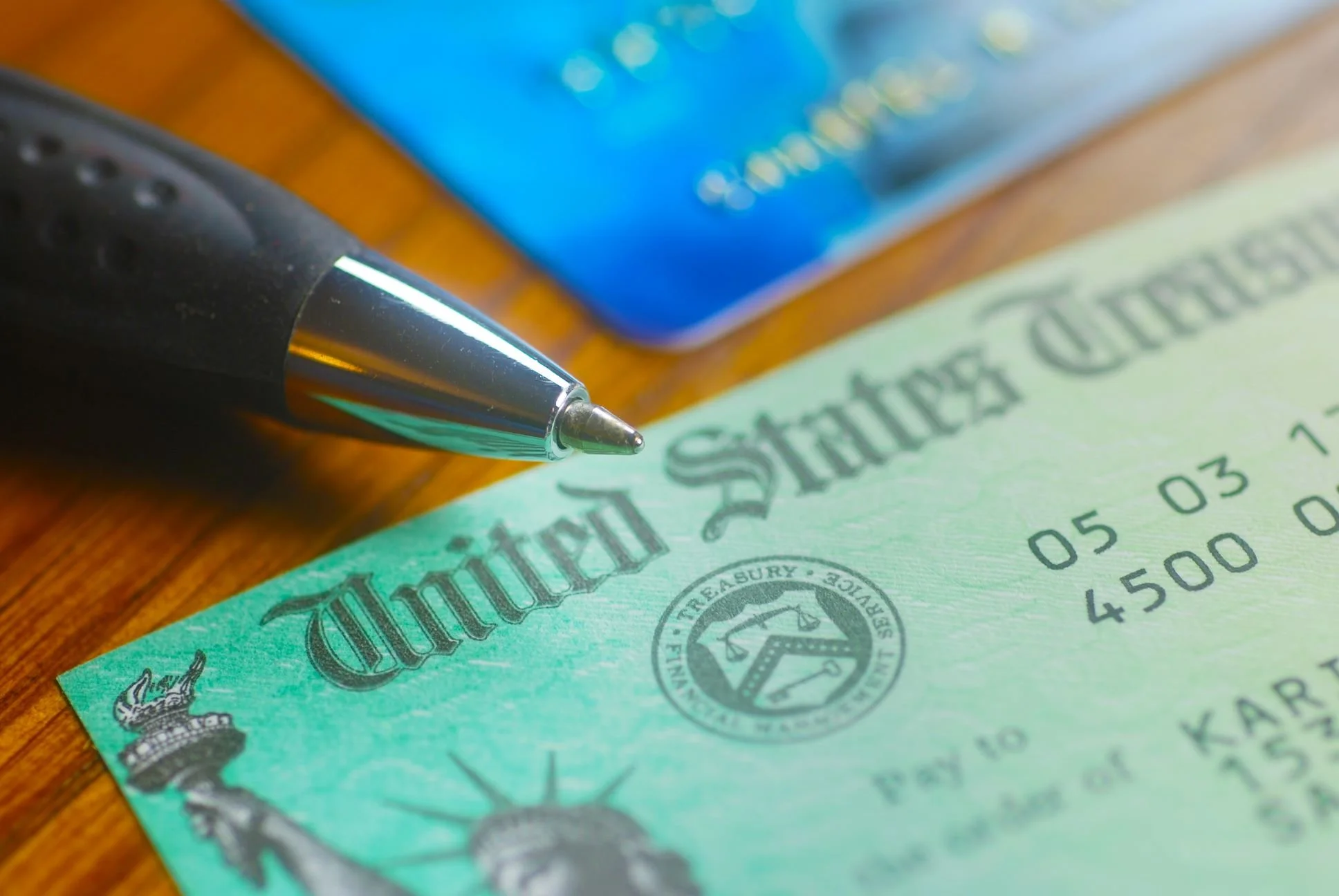
The Social Security Administration (SSA) announced a plan to end paper checks for benefits payments as of September 30, 2025, requiring all SSI, SSDI, and Social Security recipients to switch to electronic payments. However, the SSA subsequently reversed the hard cutoff and will continue to issue paper checks to individuals who have no other means of receiving their benefits.
What This Means for Recipients
The SSA strongly encourages all remaining paper check recipients to switch to electronic payment for practical reasons: electronic payments are faster, more secure, less vulnerable to mail theft, and arrive on time even during natural disasters or postal disruptions. Fewer than 1 percent of beneficiaries — about half a million people — were still receiving paper checks at the time of the announcement.
Your Two Electronic Payment Options
- Direct Deposit: Payments are deposited automatically into a checking or savings account. To set up, log into or create a “my Social Security” account at ssa.gov/myaccount, or call 1-800-772-1213 (TTY: 1-800-325-0778).
- Direct Express® Debit Card: A government-issued prepaid Mastercard for recipients without a bank account. No credit check required. Funds are loaded each month and can be used anywhere Mastercard is accepted.
Exceptions
The SSA may grant exceptions for individuals who lack other means of receiving electronic payments or for whom switching would cause undue hardship. Recipients who believe they qualify can contact the Treasury Department or the SSA directly.
For families managing SSI for a beneficiary with a disability, how benefits are received — and where they land — matters. Payments deposited directly into a personal bank account with more than $2,000 in total assets can trigger an SSI overpayment. If you have questions about account setup and SSI resource tracking, this is worth discussing with a special needs financial planner.